




Donne Biryani: Built for Soldiers, Loved by Everyone


Bengaluru is a city of many hearts, alive in sudden rain showers, voices that mingle across languages, and a rhythm that lingers in unhurried metro rides, the cool evening breeze, and the lush green trees that have watched generations grow. This blog gathers these moments to celebrate the Bengaluru that has always felt like home.
Donne Biryani: Built for Soldiers, Loved by Everyone
Food shapes culture in the most intimate ways. It determines how mornings begin, how afternoons pause, and how evenings gather people together. More than anything, food carries memory. A single familiar aroma can hold childhood, celebration, longing, and the unmistakable feeling of home.
A city’s breakfast reveals its temperament and pace, and every city has a rush-hour hotel that buzzes with energy. Some kitchens lean into spice, some use less oil, some focus only on speed. There are places with no frills at all. You sit where you find space. The fans may not run. There is no uniform service. Hospitality is simple and direct. What matters is that the food arrives hot, often not on steel plates, but in cups shaped from dried leaves, called the donne.
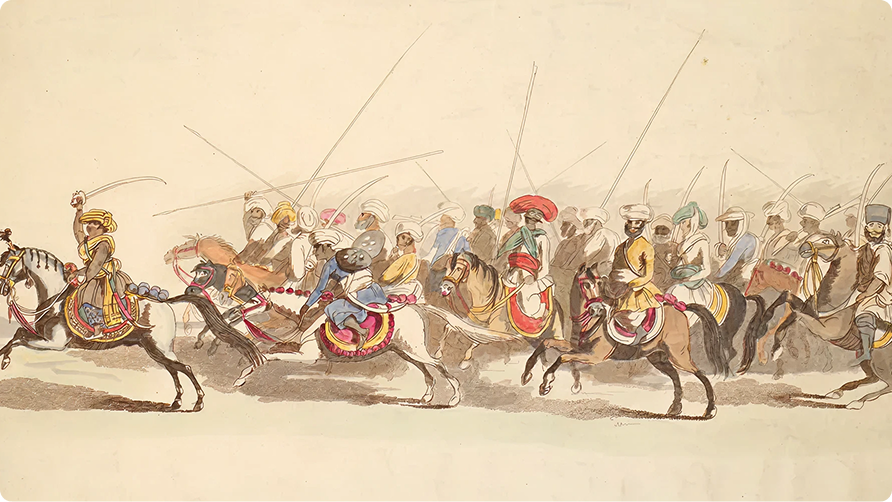
In the 19th century, as the city evolved under shifting powers, Maratha communities and military groups were present in the region. For soldiers and workers alike, food had to be filling and protein-rich. Rice was layered with meat and a spiced green masala, then cooked together in compact vessels. The result was hearty, efficient, and sustaining.
There are also accounts that trace the origins of this dish to the period of Tipu Sultan. During the time of the bubonic plague, it is said that the army required meals that were quick to prepare and easy to distribute. Rice cooked with meat and spices met that need. Whether shaped by military movement or royal kitchens, the dish found its place in the city’s everyday life.
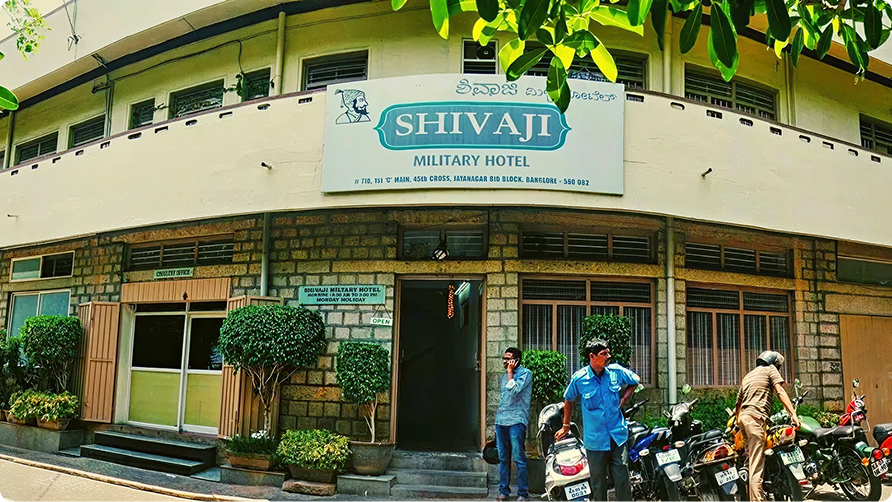
By the 1920s, establishments such as Shivaji Military Hotel began serving this style of biryani commercially. What began as sustenance gradually became tradition. Over time, donne biryani turned into a ritual meal across neighbourhoods.
While variations emerged, certain elements remained constant. Short-grained Seeraga Samba rice gave the dish its texture and aroma. The masala stayed green, typically made from coriander, mint, and green chillies. The rice absorbed the flavours rather than sitting separately from them. The result was fragrant, moist, and direct in its spice.
Different communities shaped the dish in their own ways. The Savji style leaned towards a spicier mutton preparation. Many Kannadiga households preferred a pulao-style approach. Maratha kitchens held on to their established versions. Each had its following, and each reflected the taste of its people.
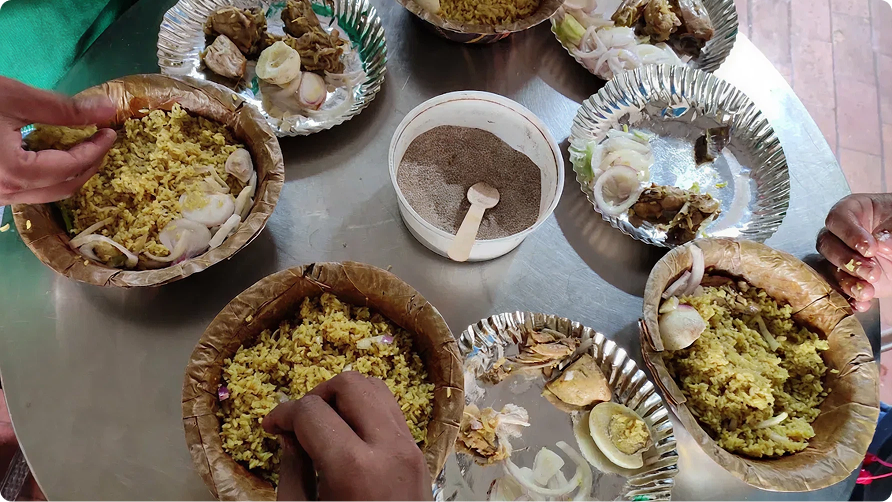
In the latter half of the 20th century, donne biryani became closely associated with the city’s working class. It was affordable, generous in portion, and full of flavour. It could be eaten quickly during a lunch break or shared between friends standing outside a small hotel.
Over time, donne biryani moved beyond barracks, military hotels, and working-class lunch breaks to become a citywide favourite. It is now ordered at family gatherings, office parties, late-night cravings, and weekend indulgences. What began as practical nourishment has grown into a shared taste of Bengaluru. Regardless of background or preference, the leaf cup carries something familiar. In that familiarity lies its popularity.
Got a sweet memory of Bengaluru? Share it with us.
Big or small, recent or old, we’re open to every memory you want to share.








.png)
