




Karaga, harvests, and the pulse of BLR Hubba


Bengaluru is a city of many hearts, alive in sudden rain showers, voices that mingle across languages, and a rhythm that lingers in unhurried metro rides, the cool evening breeze, and the lush green trees that have watched generations grow. This blog gathers these moments to celebrate the Bengaluru that has always felt like home.
From Karaga to Hubba: A City Bound by Harvest, Flowers, and Song
As the night deepens, there is a side to the city that stays awake. It is red, gold, yellow and blue. Red in the vermilion, gold in the gleaming ornaments, yellow in the marigold garlands, and blue in the night that remains awake to celebrate stories older than time. The city is renowned for its vibrant celebrations, grand festivals, and a hint of myth and magic.
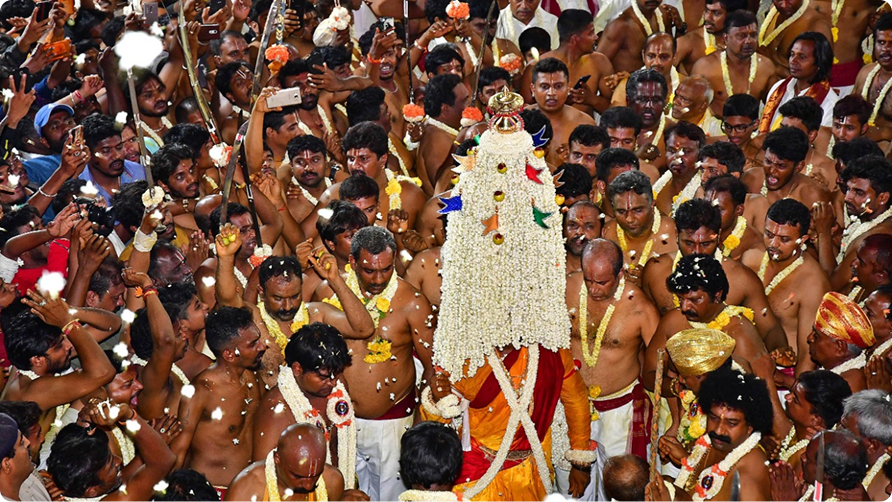
Beneath its modern skin, the city still pauses for festivals that belong as much to memory as they do to the present. Many have witnessed the Karaga festival, staying awake through the night. Families and friends run to the main roads to join the crowds. The bearer balances a floral pyramid upon his head, draped in a silk saree and ornaments, moving steadily through the crowd with a sword held aloft. The Bengaluru Karaga is a 9-day, 800-year-old traditional festival that began with the settlement of the Thigala community. It begins at the Dharmaraya Swami Temple, pauses to pay respects at the Hazrat Tawakkal Mastan Dargah in Cottonpete (a significant marker of community and respect), continues to other temples, and returns to Nagarathpete.
Like the Karaga, the city makes room for festivals rooted in neighbourhoods, markets, kitchens and courtyards. The Kadlekai Parishe has a fascinating history attached to it. It is a 500-year-old Bengaluru tradition rooted in a 16th-century legend from Kempegowda’s era. Farmers began offering their first groundnut harvest to the Bull Temple (Basavanagudi) to stop a mythical bull from destroying crops. The tradition continues to date. Every year, around the temple area, hundreds of farmers sell a variety of groundnuts.
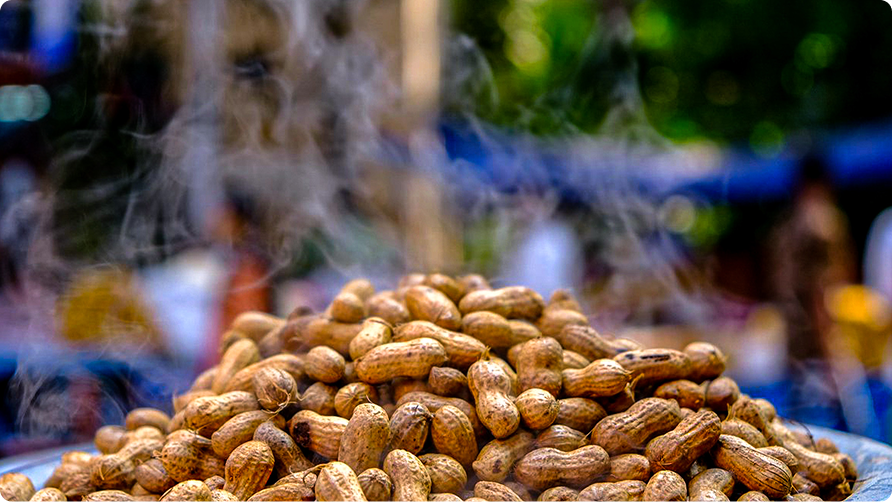
The respect for produce is significantly celebrated in our city, not just through the Kadlekai Parishe but also the Averebele Mela. The Avarebele Mela traces its origins to 2000, when Geetha Shivakumar, owner of Sri Vasavi Condiments, initiated a small home-cooking project to support local farmers and celebrate the brief winter harvest of hyacinth beans (avarekai). Rooted in seasonal cooking and community exchange, the effort resonated deeply with the neighbourhood. Over the years, what began in a home kitchen has grown into a much-anticipated annual food festival in Bengaluru.
From neighbourhood jaatres to the annual feast at St. Mary’s Basilica in Shivajinagar, and the vibrant street food markets during Ramadan in Frazer Town, everything comes together to form a city that lives and breathes in colour, tradition, and shared celebrations.
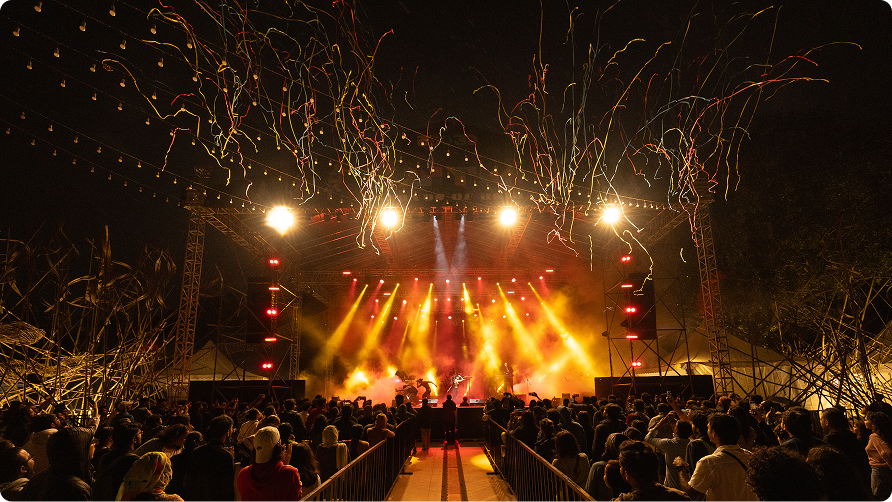
As this chapter of the city’s living calendar comes to a close, BLR Hubba leaves behind the echo of a contemporary heartbeat in Bengaluru. Over the last 2 weeks, the festival drew Bengaluru together in one expansive, open celebration—where the old met the new, and everything in between. True to its spirit, BLR Hubba thrived on participation and a shared sense of belonging. As the lights dim and the crowds disperse, one feeling lingers clearly: we’re already looking forward to gathering again next year.
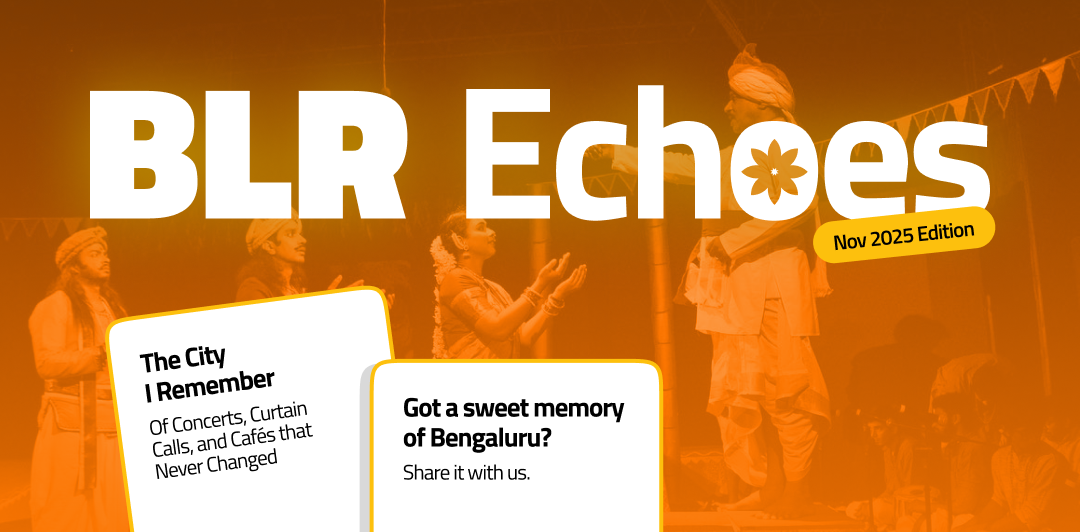
Got a sweet memory of Bengaluru? Share it with us.
Big or small, recent or old, we’re open to every memory you want to share.

.png)



.png)
